
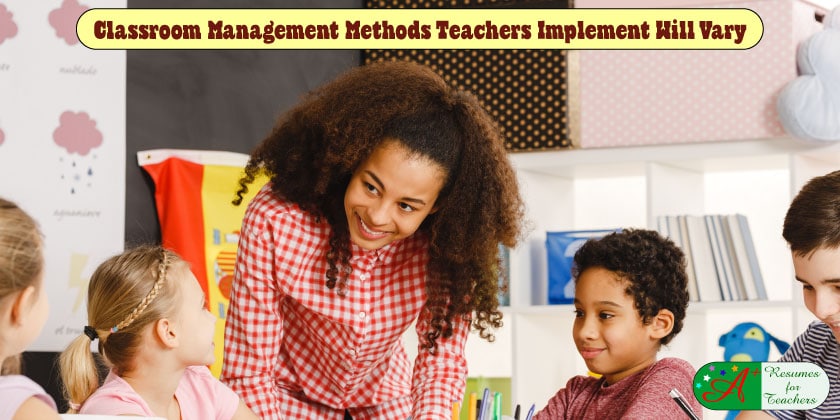
Classroom management methods teachers will use vary depending on what works best for them and their students. One important aspect is to be aware of all potential student behavioral triggers in your classroom.
With this in mind, we realized classroom problems, arguments, and disruptions don’t just happen – something causes them to escalate.
One of the best ways to prevent and avoid these triggers is by projecting an aura of control. If you give the impression that nothing escapes your attention and you have a concrete hold over any situation, few students will risk testing you.
So, you must achieve this feeling of control. The way you look, the way you move, the way you use and hold your body have a profound effect on those around you and those with whom you come into contact. It gives a clear, sometimes subconscious, message to others as to how you’re feeling.
For instance, in times of stress, we tend to display some gestures such as rubbing our necks or clenching our fists and while quite natural and usually performed subconsciously.
These actions are a clear indication we are no longer in control. Mastering our body language allows you to show you are in control. Consistency in behavior management is essential to gain respect in the classroom.
6 Actions to Take Control in the Classroom
Move Around the Room
This process not only keeps students on guard, not giving them a chance to hatch secret plans in corners of the classroom but gives a subtle, powerful message you are in control of the whole room.
Use your Body Language
Students are experts at noticing when our limits are being reached, and some will take advantage of a teacher if they think she is “losing” it. Teachers need to be aware of their postures and avoid threatening or aggressive body movements.
Use Eye Contact
A few seconds of eye contact can trigger powerful feelings, whether you’re showing your pleasure through praise or your displeasure through strict instruction. Eye contact is essential if the real meaning behind those words is to be conveyed effectively.
Have Eyes in the Back of Your Head
Teachers need to be aware of what’s going on in all parts of the classroom at all times. If students are off-task or fooling around, the behavior needs to get snuffed out right away. Send a clear message to the students that you have seen them, and it isn’t appropriate behavior. Students are more apt to stay on task if they know you are aware of what they are doing at all times.
Make Transitions Between Classes Tight
Smooth and effective transitions are one of the most important techniques in maintaining student involvement and class control. Failure to gain students’ attention by giving unclear and confusing directions, using lengthy explanations, and allowing students to take too much time between tasks contributes to student misbehavior.
Maintain Students’ Interest
When students experience boredom, bad behavior starts to emerge. Variety reduces and alleviates boredom. Decrease boredom by providing students with a feeling of progress, offering them challenges throughout the lesson, and being enthusiastic.
Your teaching style will affect the success you have in the classroom. Reflect to see what has worked in the past and the best method in the future.